James Woods Is Right: Washington’s Accountability Problem Is Bigger Than Eric Swalwell
Opinion — Washington has spent years telling Americans to trust the system, respect institutions, and accept lectures from political figures who often refuse to live by the standards they demand of everyone else. That is why the latest fallout surrounding Eric Swalwell has struck such a nerve.
Swalwell announced he would step away from Congress after serious sexual misconduct allegations surfaced, allegations he has denied while also apologizing for “mistakes in judgment.” Reuters reported that he suspended his California governor campaign and later announced his resignation from the House amid mounting pressure from both parties.
For many Americans, the issue is no longer just one politician. It is the pattern.
Swalwell had already been a controversial figure because of past scrutiny involving Christine Fang, also known as Fang Fang, a suspected Chinese intelligence operative who targeted rising California politicians. Axios reported that Swalwell was not accused of wrongdoing and cut ties after an FBI briefing, but the episode still raised lasting questions about judgment and national security awareness.
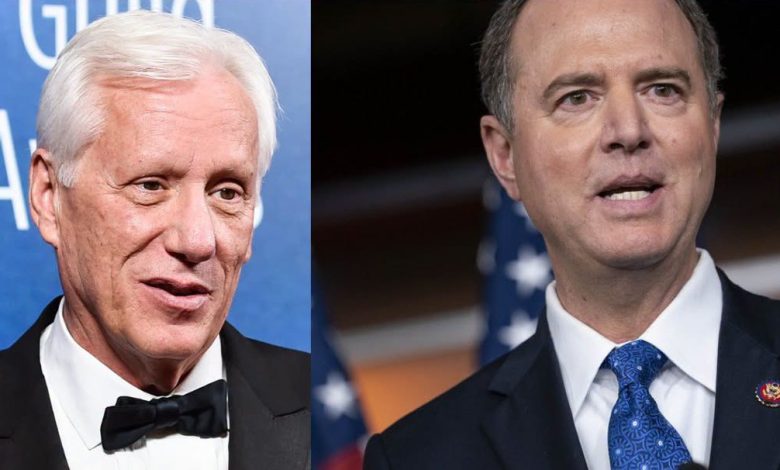
That is why actor James Woods’ criticism of Adam Schiff landed so forcefully with conservatives. Woods pointed to the Swalwell collapse as part of a broader credibility crisis among Democratic power players, especially those who built national profiles during the Trump-Russia years. His message was blunt: accountability should not stop with Swalwell.
And that brings the spotlight back to Sen. Adam Schiff of California.
Schiff is now California’s junior U.S. senator, after winning election to the seat and beginning Senate service following his appointment in December 2024. But his move to the Senate did not erase the controversy that followed him from the House. In 2023, the Republican-led House voted to censure Schiff over his role in Trump-Russia investigations, a symbolic but serious rebuke that reflected how deeply many voters distrusted his conduct.
The larger question is simple: Why do Washington insiders so often fail upward?
When ordinary Americans make serious mistakes, they lose jobs, reputations, and opportunities. But in Washington, scandal often becomes a career detour. One politician exits, another gets promoted, and the same class of officials continues lecturing the country about ethics, democracy, and public trust.
That double standard is what voters are sick of.
To be clear, removing a U.S. senator is not as simple as online outrage. Under the Constitution, each chamber of Congress may expel a member only with a two-thirds vote. But constitutional difficulty is not an excuse for political silence. Voters, ethics bodies, party leaders, and watchdog groups still have tools: investigation, public pressure, ballot-box accountability, and relentless demand for transparency.
The Swalwell scandal should not be treated as an isolated embarrassment. It should be treated as a warning flare.
Americans deserve leaders who do not hide behind party protection. They deserve officials who are judged by the same standards they impose on political opponents. And they deserve a political culture where power does not function as immunity.
James Woods is saying what many conservatives already believe: Washington does not need another round of excuses. It needs a housecleaning.
Accountability should not be partisan. It should be permanent.