Jasmine Crockett’s Senate Primary Loss Signals a Hard Lesson for Democrats in Texas
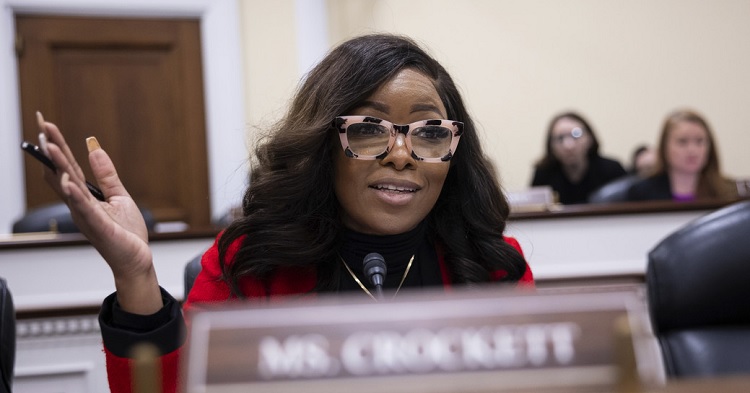
Rep. Jasmine Crockett’s defeat in the Texas Democratic Senate primary has quickly become more than a personal political setback. For Democrats, it is a warning about candidate style, voter appetite, and the limits of viral politics in a state where winning statewide remains brutally difficult.
Crockett entered the race with national name recognition, a loyal online following, and a reputation for sharp attacks on Republicans. For a time, that combative style helped make her one of the most visible Democrats in Washington. But in the March 3, 2026 Democratic primary, Texas voters chose a different path, handing the nomination to state Rep. James Talarico, a candidate who leaned into faith, economic populism, and a calmer tone.
The result exposed a central tension inside the Democratic Party: Should Democrats fight fire with fire, or should they try to win back skeptical voters with restraint and persuasion? Crockett represented the first approach. Talarico, a former teacher and Presbyterian seminarian, represented the second. In Texas, at least in this race, Democratic voters decided that tone mattered.
Crockett’s campaign was also shadowed by criticism over remarks that opponents described as inflammatory. Conservative media and Republican figures seized on comments involving Elon Musk and Sen. Ted Cruz, arguing that her language reflected a broader problem with political rhetoric. Crockett’s defenders, meanwhile, have said such remarks were figurative and part of a hard-edged political style rather than literal calls for violence.
Still, perception often becomes reality in politics. For voters already uncertain about whether Crockett could win statewide in Texas, the controversy gave critics an easy argument: she was better at going viral than broadening the map. That mattered in a state where Democrats cannot win by energizing their base alone; they also need independents, moderates, and some disaffected Republican voters.
Talarico’s victory was not just a win for one candidate. It was a strategic statement. His campaign suggested that Texas Democrats may be looking for a messenger who can speak about progressive policy without sounding permanently locked in partisan combat. His faith-centered language and emphasis on economic pressure gave Democrats a different kind of profile heading into the general election.
Now Crockett appears to be weighing her next chapter outside Congress. Reports indicate she has discussed returning to the legal profession and has also expressed interest in writing a book after leaving office. That would mark a major shift for a politician once described by supporters as a rising national figure.
To her credit, Crockett has not disappeared from the political conversation. She remains a recognizable Democratic voice, and her supporters still see her as an unapologetic fighter in a party they believe is often too cautious. But her loss shows that visibility is not the same as electability, especially in a high-stakes statewide race.
For Republicans, Crockett’s defeat will likely be framed as evidence that Democratic voters rejected a more aggressive brand of politics. For Democrats, the lesson is more complicated. The party still needs energy, but it also needs candidates who can survive outside friendly media environments and online echo chambers.
The clearest message from Texas is this: voters may reward passion, but they still punish excess. Crockett built a powerful political identity around confrontation. Talarico built his campaign around persuasion. In this primary, persuasion won.