Keep Choice on the School Lunch Menu
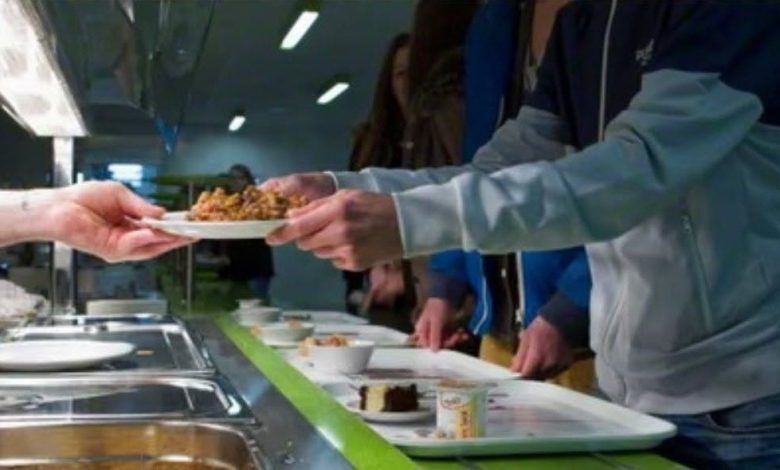
Across the country, some parents are raising a serious question about public school cafeterias: Should schools expand food choices for students with religious or dietary restrictions, or remove traditional menu items altogether to avoid conflict?
The answer should be simple. No child should go hungry, and every student deserves access to a reasonable meal at school. That includes students who do not eat pork for religious, medical, or personal reasons. Schools can offer chicken, vegetarian meals, beef options, or halal-friendly alternatives when practical.
But accommodation should mean adding choices — not quietly eliminating choices for everyone else.
Pork has long been part of many American lunch menus, from ham sandwiches to sausage pizza, bacon toppings, and hot dogs. For many families, these foods are ordinary parts of American life. Removing them entirely from public school cafeterias risks sending the wrong message: that the preferences or restrictions of one group should reshape the menu for all students.
Public schools are taxpayer-funded institutions. They should be neutral, transparent, and accountable to parents. If a district wants to change cafeteria policy, it should explain why, hold public discussion, and allow families to weigh in. Decisions that affect thousands of children should not be made behind closed doors in the name of avoiding controversy.
This is not about denying anyone’s faith. Religious liberty means students should be free to follow their beliefs without being forced to violate them. A Muslim student should not be forced to eat pork. A Jewish student should not be forced to eat non-kosher food. A vegetarian student should not be left with no option at all.
But religious liberty also does not mean that one belief system gets to veto what everyone else may eat.
The fairest solution is straightforward: serve a variety of meals, label them clearly, and let families choose. Pork-free options can exist beside traditional options. Schools can respect religious differences without erasing familiar foods from the lunch line.
Parents are right to pay attention because cafeteria decisions are often part of a larger debate about how public institutions handle culture, identity, and accommodation. America has always welcomed people from different backgrounds, but successful integration requires balance. A diverse country does not need to dissolve its common culture in order to be fair.
Schools should focus on their core mission: teaching reading, math, science, history, discipline, and civic responsibility. They should not turn lunchtime into another battleground for cultural politics.
The principle is simple: offer choices, respect families, keep policies transparent, and do not punish the majority to accommodate the minority.
America works best when people of different backgrounds can share public spaces without demanding that everyone else change for them. A cafeteria is not a church, a mosque, or a synagogue. It is a public space funded by taxpayers — and it should serve students fairly.
Keep the pork. Offer alternatives. Trust parents. Let students choose.