Jane Fonda’s Vietnam Legacy Still Haunts Many American Veterans
More than five decades have passed, yet Jane Fonda’s controversial actions during the Vietnam War remain deeply painful for many American veterans and military families.
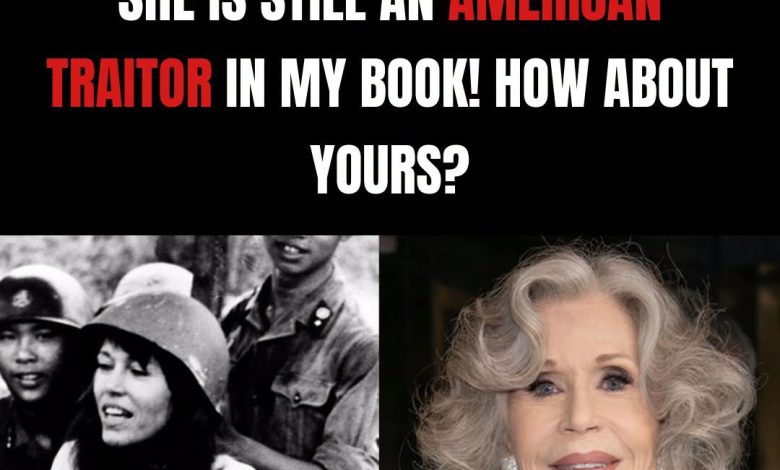
In 1972, Fonda traveled to North Vietnam while American service members were still fighting and dying. She participated in radio broadcasts criticizing U.S. military policy and was photographed smiling while seated on a North Vietnamese anti-aircraft gun. That image became one of the most enduring symbols of the bitter divisions surrounding the war.
For her defenders, the trip represented opposition to a conflict they believed was unjust. For many veterans, however, it went far beyond legitimate political protest. They viewed her appearance alongside enemy forces as a public-relations victory for a government actively engaged in combat against the United States.
Americans have always possessed the right to criticize their government—even during wartime. That freedom is protected by the Constitution and remains essential to the nation’s democratic system. But freedom of expression does not prevent citizens from judging how that freedom is exercised.
The central question is not whether Fonda had the right to oppose the war. It is whether appearing with enemy military personnel crossed a moral boundary that responsible dissent should never cross.
Many veterans believe it did.
The photograph at the anti-aircraft battery was especially damaging because those weapons represented a direct threat to American pilots. To servicemen held as prisoners of war, troops operating in Southeast Asia, and families waiting anxiously at home, the image appeared to show a famous American celebrity treating the enemy’s war machinery as a political stage.
Fonda has repeatedly expressed regret for the photograph, describing it as a serious mistake. Yet apologies cannot dictate how those affected must feel. Forgiveness is personal, not compulsory, and veterans who continue to resent her actions are entitled to remember the episode in their own way.
At the same time, historical accuracy matters. Fonda was never convicted of treason, and describing her conduct with that term represents a political and moral judgment rather than an established legal conclusion. The strongest criticism does not require exaggeration. Her documented decisions were controversial enough on their own.
The broader lesson extends beyond one actress or one war. Political dissent can be patriotic, courageous, and necessary. But dissent becomes far more dangerous when it allows an American public figure to be used as propaganda by a hostile government.
Citizens may oppose a war without humiliating the people ordered to fight it. They may condemn government policy without appearing to celebrate the weapons aimed at American soldiers.
For many veterans, Fonda’s Vietnam trip remains unforgettable because it seemed to erase that distinction. They returned to a divided country, often receiving little recognition for their service and sometimes being blamed personally for decisions made by political leaders.
The United States should be capable of debating the Vietnam War honestly while still honoring those who served. Americans can acknowledge government failures, strategic errors, and the enormous human cost of the conflict without dismissing the sense of betrayal felt by the men and women who wore the uniform.
Jane Fonda’s legacy is therefore not merely a story about celebrity activism. It is a warning about the responsibility that accompanies political protest—especially when American lives are at stake.
Time may soften public controversy, but it does not erase history. For countless veterans and their families, the photograph from Hanoi will remain a defining image: a moment when opposition to a war appeared to become identification with the enemy fighting it.