Misgendered During Childbirth: A Trans Dad’s Story and What Healthcare Must Change
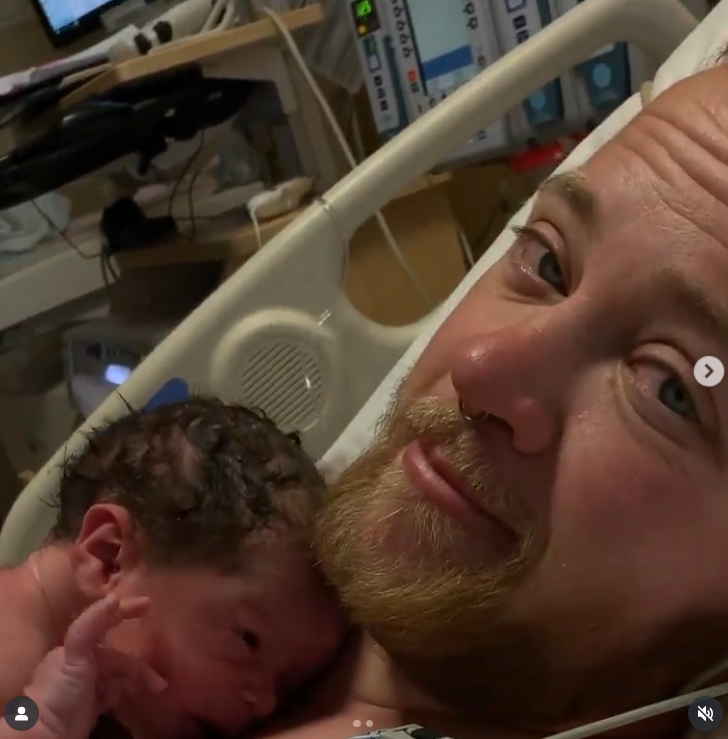
Using someone’s chosen name and pronouns is one of the simplest ways to show respect. Yet in many places—especially in healthcare—deeply ingrained assumptions about gender can lead to repeated misgendering. For Bennett Kaspar-Williams, a 37-year-old transgender man, this became a painful reality during one of the most vulnerable moments of his life: giving birth to his son, Hudson, by C-section in October 2020.
When Medical Assumptions Override Identity
Kaspar-Williams identifies as male and uses he/him pronouns, but during his hospital stay, staff repeatedly referred to him as “mother.” What might sound like a routine label in a maternity ward felt, to him, like a constant denial of his identity.
The emotional impact was significant because:
- Childbirth is already physically demanding and emotionally intense
- Misgendering can heighten stress and discomfort at a time when patients most need support
- It reinforces the outdated idea that only women give birth, ignoring real families who don’t fit that narrative
His Transition and the Decision to Carry a Pregnancy
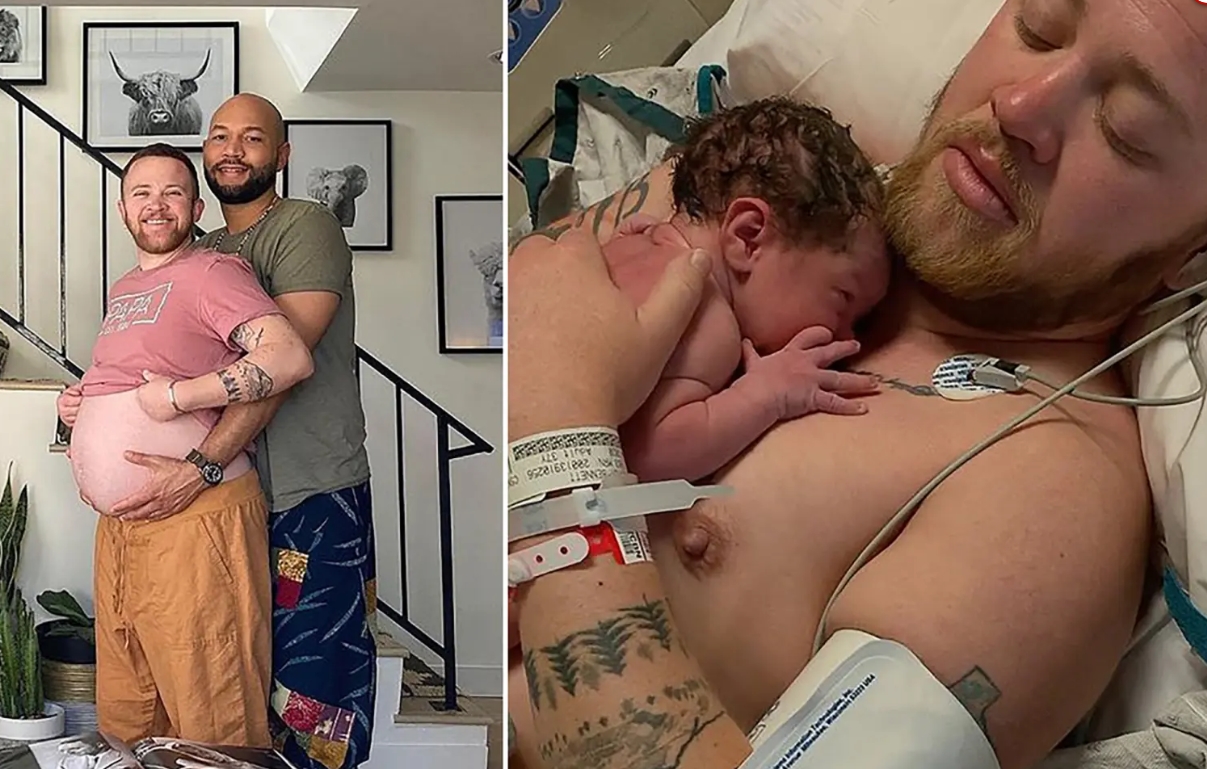
Kaspar-Williams shared that he realized he was transgender in 2011 and began his medical transition in 2014. As part of that journey:
- He underwent top surgery
- He did not pursue lower-body surgery, which meant he still had the ability to become pregnant
For him, becoming a parent was deeply meaningful—but the experience came with challenges that many patients never have to face. Even when medical forms reflected male gender markers, staff frequently defaulted to gendered language linked to childbirth.
Why the Word “Mother” Was So Harmful
Kaspar-Williams has explained that his dysphoria during pregnancy was not simply about being pregnant—it was specifically tied to being assigned a role he did not identify with.
His key point was clear:
- His distress came from being labeled “mother,” not from the act of carrying a child
- He believed childbirth must be separated from gender identity
- Not everyone who gives birth is a woman
- Not all women can or choose to give birth
In his view, pregnancy only felt emotionally possible once he could mentally separate:
- The biological capability of carrying a child
- From societal expectations that pregnancy automatically defines someone as a woman

A Parallel Story: Freddy McConnell’s Experience
Kaspar-Williams’ experience mirrors the broader reality faced by other transgender men who give birth. One widely discussed example is Freddy McConnell, a transgender man who had a baby in 2019 and later appeared in a documentary about his journey.
McConnell described:
- Experiencing gender dysphoria since childhood
- Feeling that transitioning allowed him to fully enjoy life
- Approaching pregnancy in a pragmatic way, viewing it as using his body’s capabilities to achieve a meaningful goal—having a child with a biological connection
However, McConnell’s experience in the hospital differed:
- He said staff were accepting and respectful
- The supportive environment made childbirth feel powerful and affirming, rather than distressing
Redefining Fatherhood and Modern Families
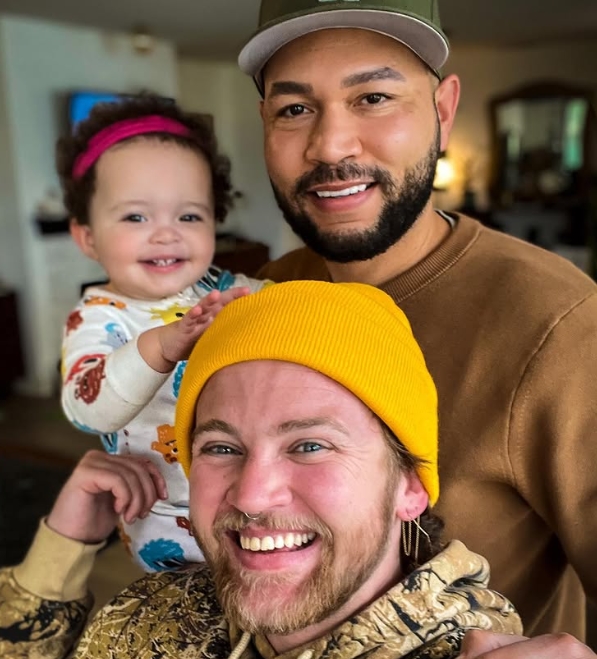
Today, both men are raising their children as fathers, showing that parenthood is defined by love and responsibility—not by outdated gender rules.
Kaspar-Williams has spoken proudly about his identity as a parent, expressing that:
- Being able to say he is a dad who carried and created his own child feels deeply empowering
- He hopes that, as Hudson grows up, he will understand that his father carried him, helping normalize diverse family structures
What Their Stories Reveal About Healthcare
Their experiences highlight an important lesson: medical systems are not just about treatment—they are also about dignity.
To create more inclusive care, healthcare environments can focus on:
- Consistently using a patient’s stated name and pronouns
- Avoiding automatic gendered labels like “mother” and “father” when a patient identifies differently
- Using more precise, respectful language such as:
- “parent”
- “birthing parent”
- “patient”
- Ensuring staff training reflects the reality that gender identity and reproductive capability are not the same thing

A Bigger Shift in How Society Understands Parenthood
Kaspar-Williams and McConnell are not only sharing personal stories—they are challenging a cultural assumption that has shaped healthcare for generations. Their message is simple but transformative: families are diverse, and respectful language is not optional—it is essential.
By pushing for care that recognizes people as they truly are, their journeys help make parenthood safer, more humane, and more inclusive for everyone.