Trump’s Autopen Claims Rebound After Experts Question Pardon Signatures, DOJ Updates Online Copies
President Donald Trump has repeatedly criticized former President Joe Biden over the use of an autopen, arguing that signatures produced by the device should not carry the same weight as a president’s handwritten approval. Now, a new dispute has emerged after forensic document experts said several recently posted Trump pardon documents appeared to carry identical signatures, prompting the Justice Department to quietly replace the online versions and describe the issue as a technical posting error.
Why This Matters
The autopen debate goes beyond optics. At its core is the question of how presidential intent is documented—especially for irreversible actions like pardons. While autopens have been used by multiple presidents historically, the controversy has intensified because Trump has publicly suggested that Biden’s autopen-signed actions should be invalidated.
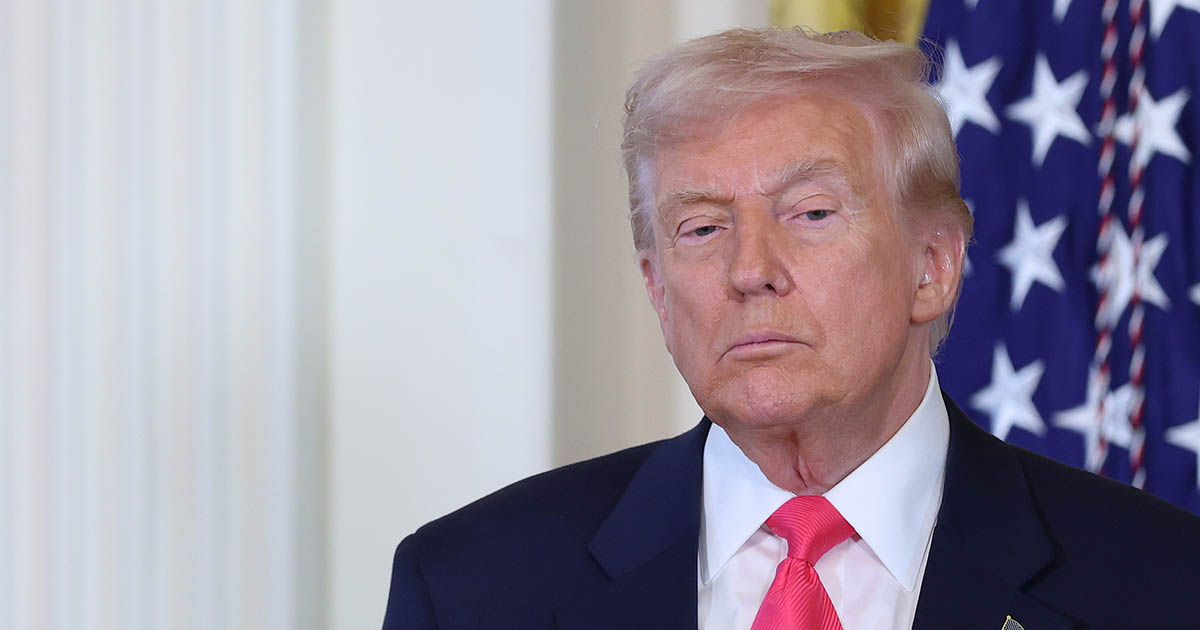
Trump’s Longrunning Attacks on Biden’s Autopen Use
Trump has used the autopen issue as part of a broader argument that Biden was not fully in control of the presidency’s most consequential decisions.
Key elements of Trump’s position include:
- He has accused Biden of relying heavily on an autopen and implied that this practice undermines legitimacy.
- He has called for pardons he claims were signed via autopen to be voided.
- The issue has become a talking point among Republicans, including calls for review of how presidential signatures are handled.
Congressional Scrutiny: Concerns About Oversight and Documentation
According to findings cited in the material you provided, House Oversight Committee language raised concerns about internal controls and recordkeeping for autopen use, stating that senior White House officials allegedly did not know who operated the autopen and that its use was not sufficiently controlled or documented to prevent abuse.
The same material described a position that executive actions signed by autopen without proper written approval traceable to the president’s consent should be treated as invalid.
The November 7 Pardons: What Triggered the New Controversy
The latest dispute centers on a set of pardons dated November 7, including pardons for:
- Darryl Strawberry (former New York Mets player)
- Glen Casada (former Tennessee House speaker)
- Michael McMahon (former New York police sergeant)
- Others included in the same batch
Two forensic document experts reportedly told a major news organization that the signatures on multiple pardon documents posted online appeared identical, which can be a hallmark of a copied image—whether from an autopen file or a simple upload duplication.
Justice Department Response: “Technical Error” and Website Update
After questions surfaced, the Justice Department updated the pardons on its website, replacing documents that appeared to contain duplicate signature images.
A Justice Department spokesperson described the change as a “technical error,” stating that:
- One signature Trump personally signed was mistakenly uploaded multiple times
- The issue was attributed to staffing problems
- The updated site now shows seven pardons with seven unique signatures
White House Response: “Non-Story”
The White House rejected the implication that Trump used an autopen for these pardons, emphasizing that:
- Trump “signed each one of these pardons by hand”
- The controversy was described as a “non-story”
- The spokesperson argued the focus should instead be on Biden’s autopen-related actions
What We Know vs. What Is Being Alleged
To keep the issue clear, here is the dispute in a simple breakdown:
- Claim: Forensic document experts said several online pardon documents showed identical Trump signatures.
- Action Taken: The Justice Department replaced/updated the documents on its website.
- DOJ Explanation: The duplicates were due to a posting/upload mistake, not how the pardons were signed.
- White House Position: Trump signed the pardons by hand, and the posting issue is being overstated.
The Larger Irony Fueling the Story
The controversy has drawn attention because it mirrors Trump’s own criticisms of Biden. Trump has argued that autopen use can cast doubt on presidential decision-making—yet the latest pardon batch produced a public dispute over whether Trump’s signature was reproduced mechanically or duplicated digitally when the documents were published online.
Even if the Justice Department’s explanation is accurate, the episode highlights a practical reality: public confidence can hinge not only on what the president did, but on how the paperwork is presented and recorded.
Bottom Line
What’s at issue now is less a proven finding that Trump used an autopen, and more the combination of:
- expert claims of identical signatures on posted documents
- a rapid DOJ website correction
- firm denials from DOJ and the White House that any autopen was used
The incident adds new heat to a debate that is likely to continue—especially as both parties frame the autopen question as evidence for broader arguments about competence, transparency, and control inside the White House.