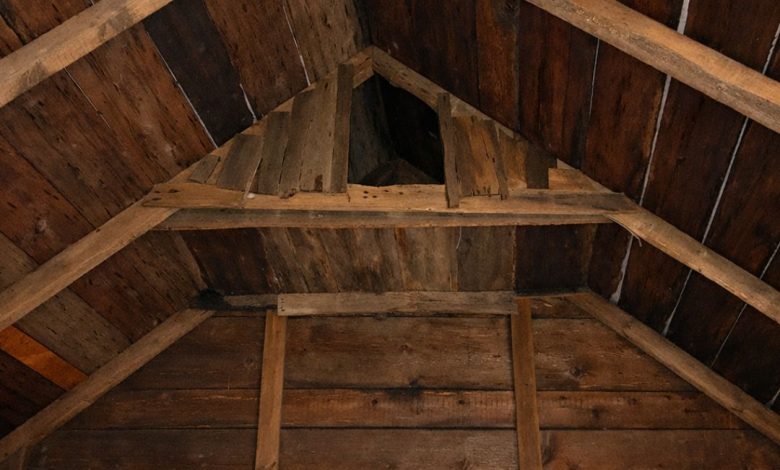
Weird little “room” in the peak of my old barn. No way to access it, it’s only a few feet across
Introduction: A Simple Idea From a Different Era
Long before modern pest-control services and chemical solutions became common, many farmers relied on nature-based problem solving. One of the most practical examples was installing barn owl nest boxes inside old barns to help manage rodents where grain was stored.
Owls: The Original Pest Control
If a farm had stored grain, it almost always attracted mice and rats. Instead of fighting rodents with poisons, some farmers encouraged a natural predator: the barn owl.
Key points farmers valued:
- Barn owls are silent, highly efficient hunters in low light.
- A single barn owl can eat a large number of rodents in a year.
- More owls nearby often meant fewer rodents in the barn.
How the Boxes Were Built: No Frills, Just Function
These nest boxes were typically made for results, not decoration. Farmers often built them from whatever materials were available.
Common features of traditional barn owl nest boxes:
- Sturdy wooden construction (often repurposed wood or crates)
- Dry nesting space with simple bedding like straw
- Basic design details that mattered in a barn environment:
- Ventilation to prevent overheating
- Drainage to avoid dampness
- Enough space for an adult owl and chicks
Placement Matters: High, Quiet, and Out of the Way
Where the box was placed often determined whether owls would use it. Barn owls prefer dark, sheltered, elevated spaces.
Typical placement choices:
- Lofts, rafters, or high beams
- Areas with minimal human traffic
- Spots that feel stable and protected from disturbance
Why this worked so well in barns:
- Barns naturally provide height, darkness, and cover
- Rodents are already present, creating a reliable food source
- The boxes can blend in, looking like they’ve “always been there”
A Tradition That Spread Through Farm Communities
This practice wasn’t just a one-time experiment. Farmers shared what worked, and the idea spread from barn to barn.
What made it easy to pass down:
- Low cost and easy materials
- Straightforward construction
- Clear payoff: fewer rodents around stored feed and grain
Why It Still Works Today
Barn owl nest boxes are seeing renewed interest because the concept remains practical: support a predator that naturally targets the problem.
Benefits often associated with reintroducing nest boxes:
- Reduced reliance on rodenticides (which can harm other wildlife)
- A more balanced farm ecosystem
- Ongoing, low-maintenance support for rodent control once established
Conclusion: Look Up Next Time You’re in an Old Barn
In many older barns, a small, dusty wooden box tucked into the rafters might be more than forgotten lumber. It can be a reminder of an earlier kind of farm wisdom: work with nature, not against it. If you have the space and the right setting, adding a barn owl nest box may help you gain a quiet, feathered partner—and keep rodents in check.