Científicos españoles eliminan el cáncer de páncreas más agresivo en pruebas con ratones
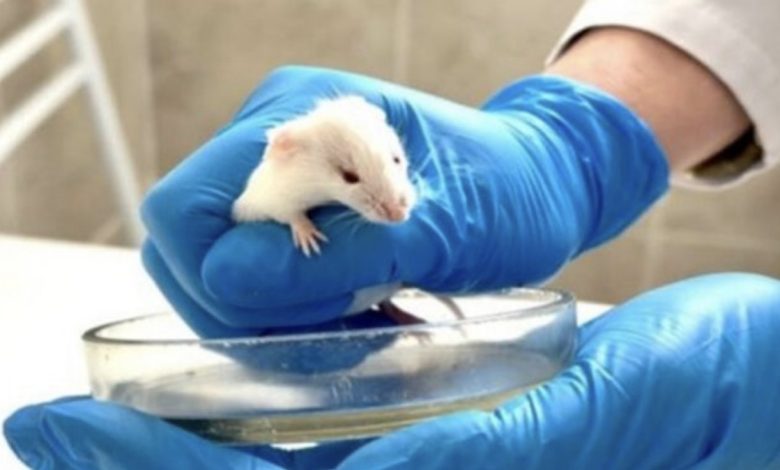
A team led by Mariano Barbacid at Centro Nacional de Investigaciones Oncológicas (CNIO) has reported a major preclinical result: pancreatic tumors were completely eliminated in mouse models using a triple-combination therapy. The findings were published in PNAS.
What the Researchers Achieved (In Animals)
In the study, the combined treatment led to:
- Total tumor disappearance in mice
- A durable response over time
- No observed drug resistance, a common reason therapies stop working in pancreatic cancer
Why Pancreatic Cancer Is So Hard to Treat
Pancreatic cancer is widely considered one of the most aggressive cancers. A key challenge is that it is often detected late, and current treatments have limited impact. The article notes a widely cited benchmark: five-year survival is under 10%, highlighting the urgent need for more effective strategies.
The Core Target: KRAS
The therapy focuses on the KRAS pathway, centered around KRAS, which is mutated in most pancreatic cancer cases and has historically been difficult to attack effectively.
What’s New: Blocking the Same Pathway in Three Places at Once
The innovation is not just “one more drug”—it’s the strategy:
- The team blocked the KRAS-driven process at three different points simultaneously
- This multi-point blockade aims to prevent tumor cells from adapting
- By cutting off typical “escape routes,” the approach may help avoid mechanisms of resistance that often emerge when only one target is hit
Not Ready for Patients Yet
The researchers emphasize an important limitation: this result cannot be applied to humans yet. The work was performed only in animal models, and further studies are needed to confirm:
- Safety
- Effectiveness
- Whether the same resistance-free durability holds in humans
Why This Matters
Even though clinical use is still far away, the study supports a potentially important idea: pancreatic cancer may respond better to carefully designed combination therapies that shut down multiple survival routes at once, rather than single-target approaches that tumors can eventually bypass.